He Loved This Shop
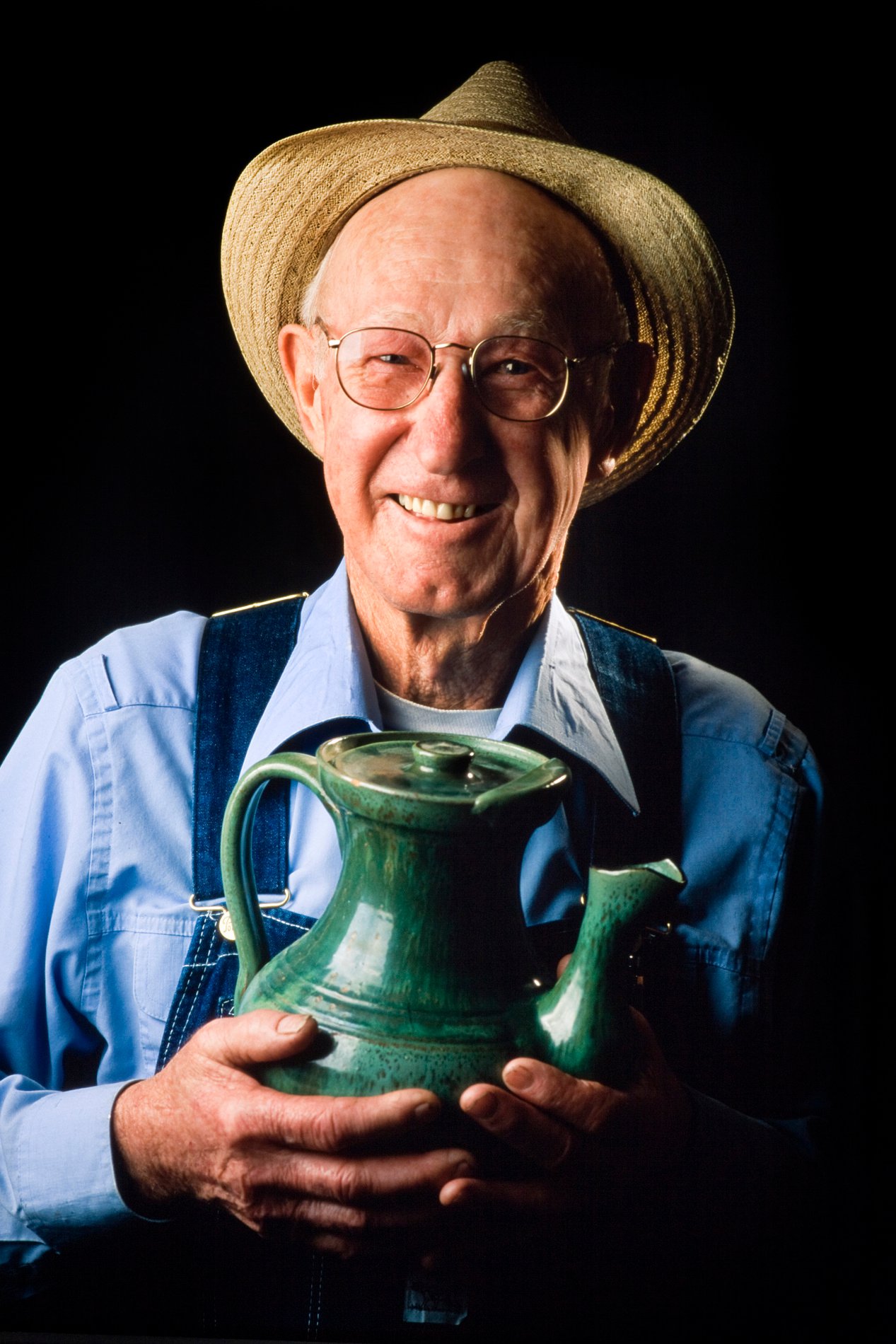
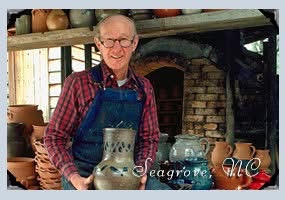
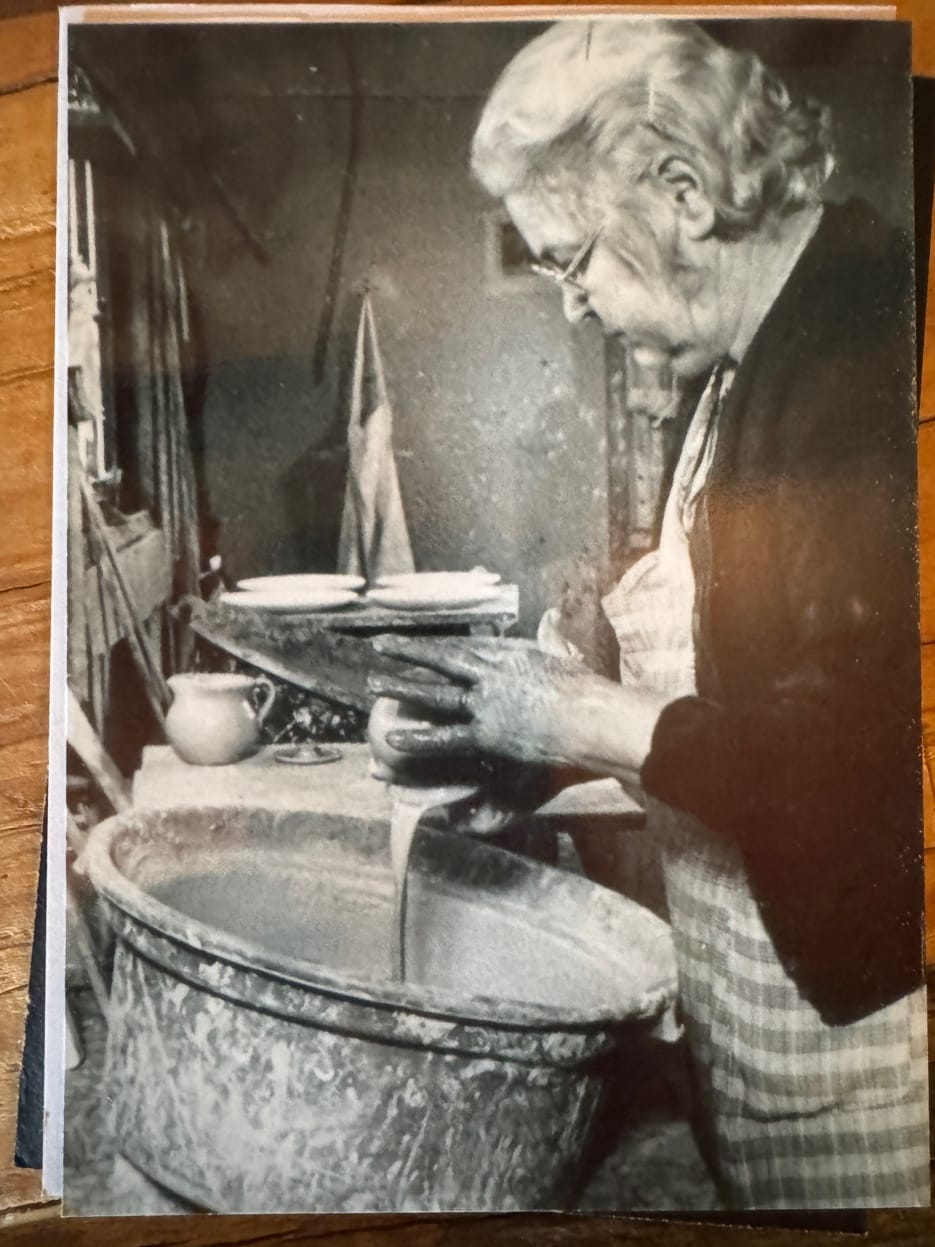
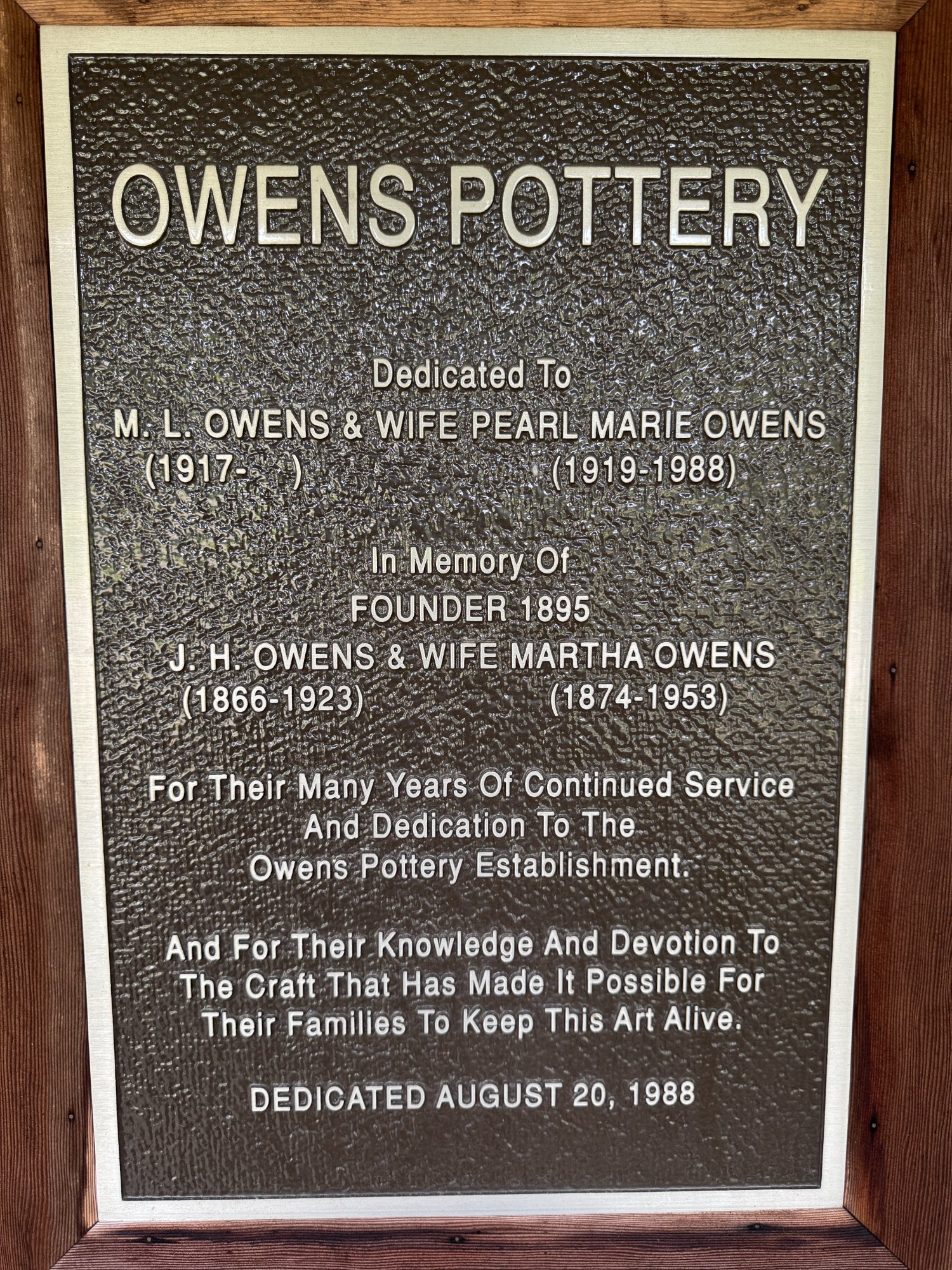
Melvin Lee Owens was born into clay. His father, James Henry Owen, had worked as a potter from the late 1800s in the very same shop M.L. would one day take over. When M.L. reopened his father's pottery in the late 1930s, shortly after his marriage to Pearl Marie Garner, he didn't just inherit a trade — he inherited a way of life. He added a final "s" to the Owen name, and set about building something that would last.
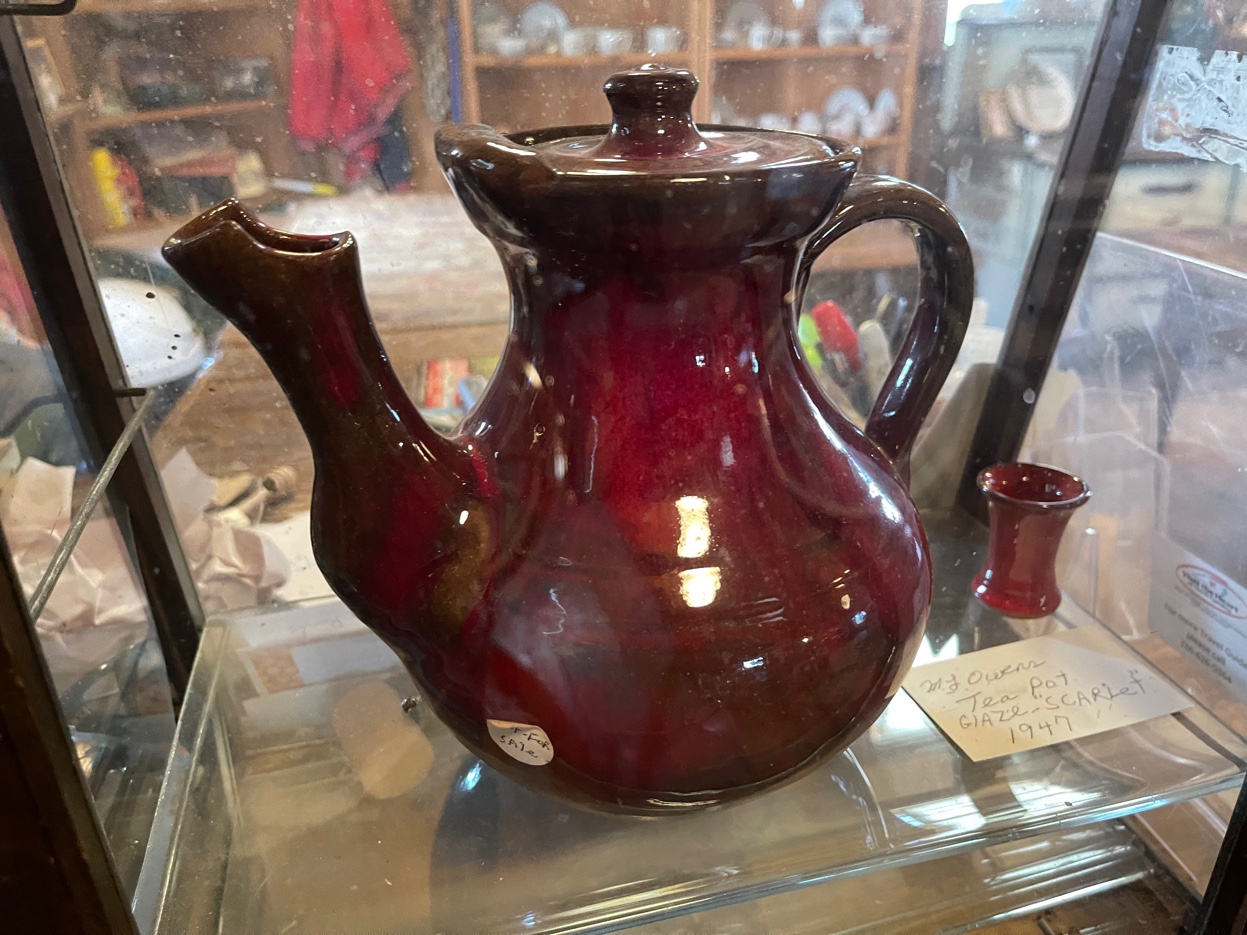
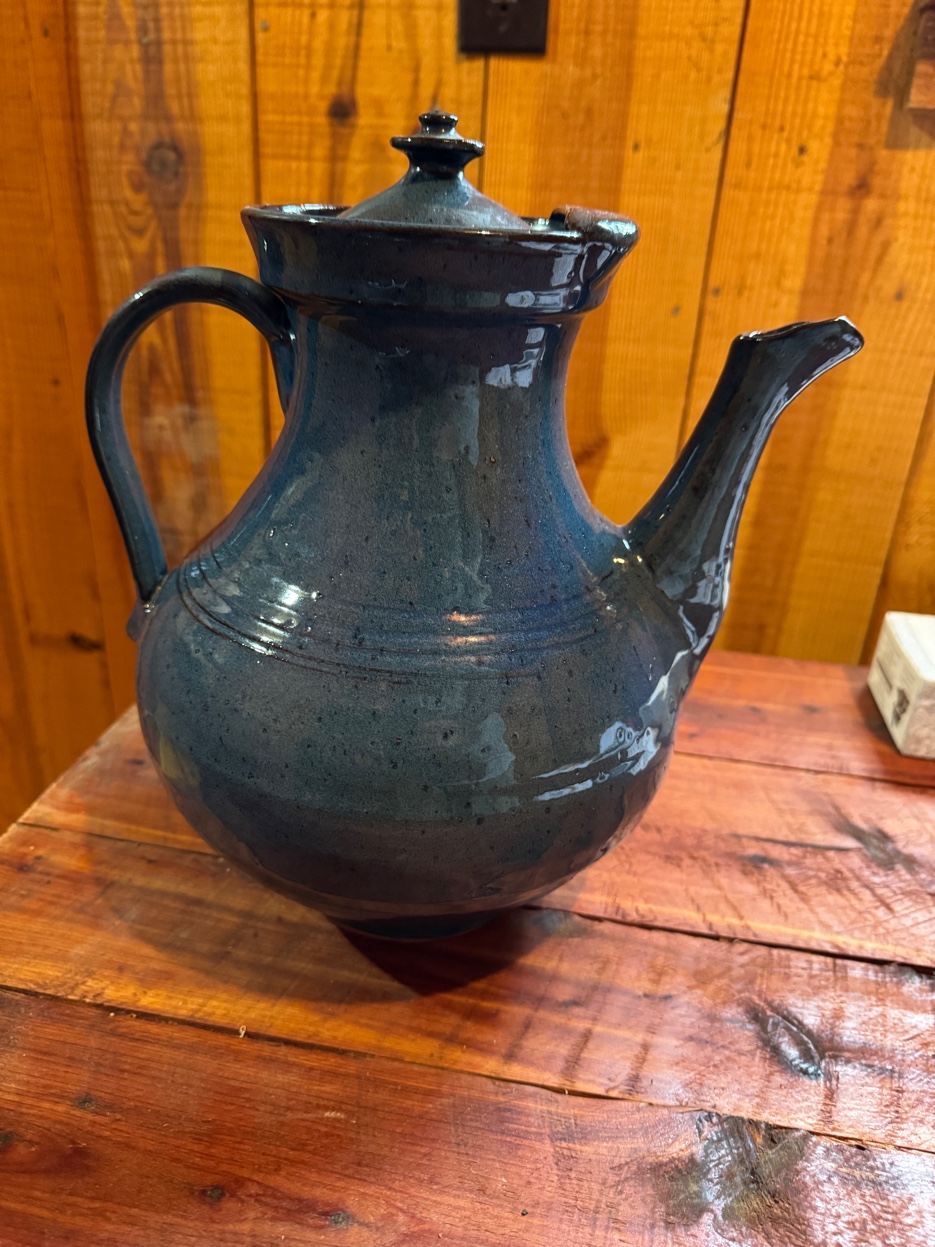
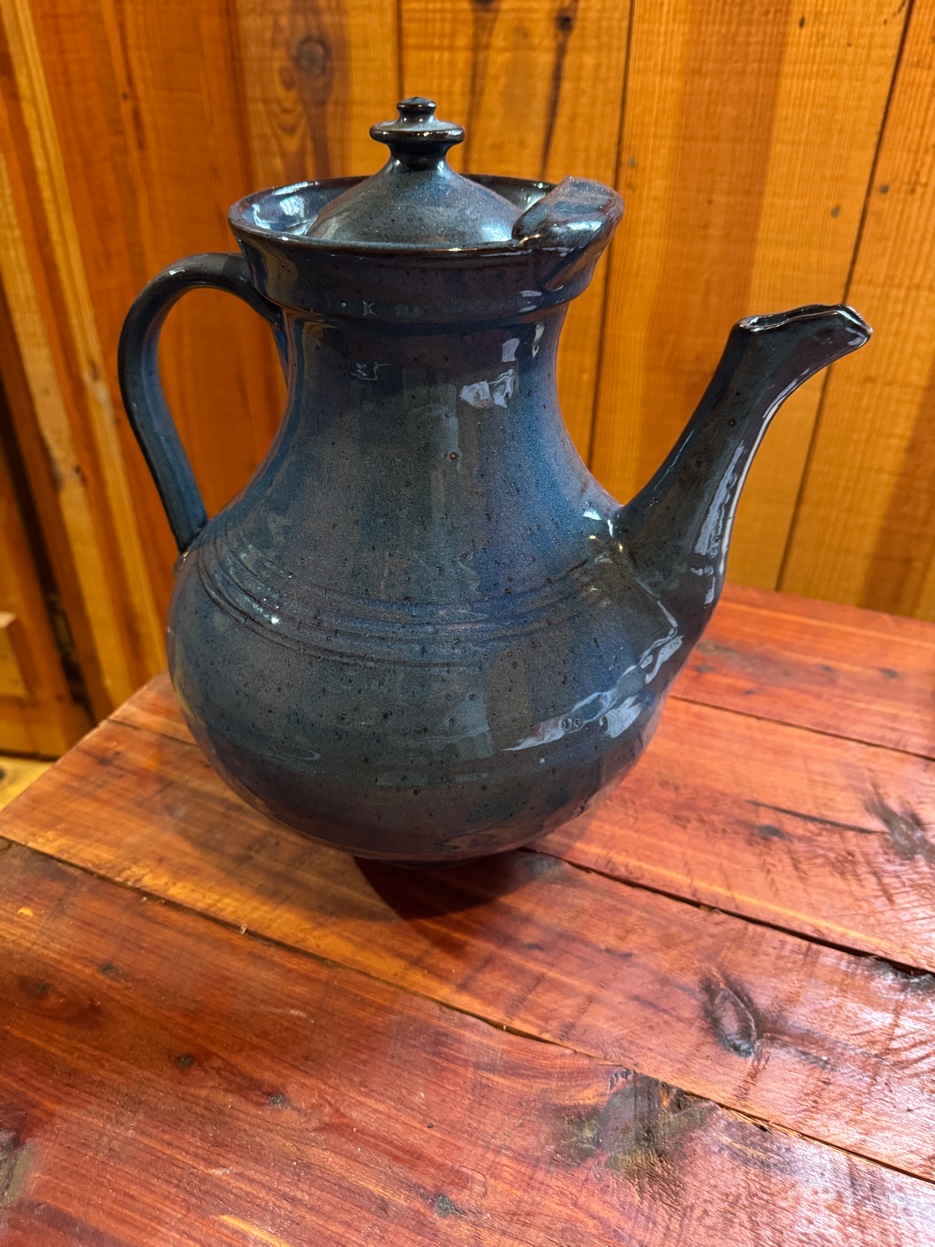
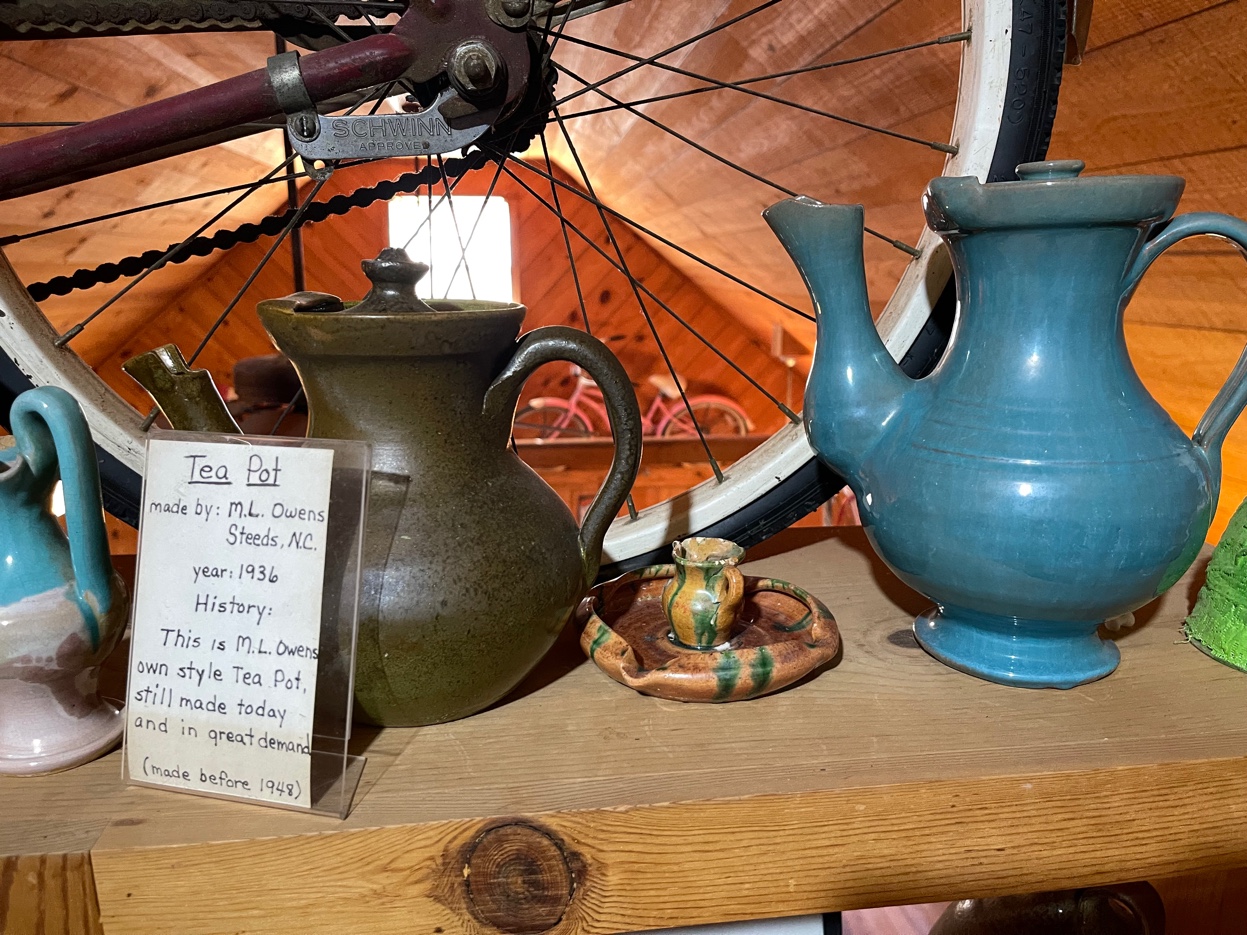
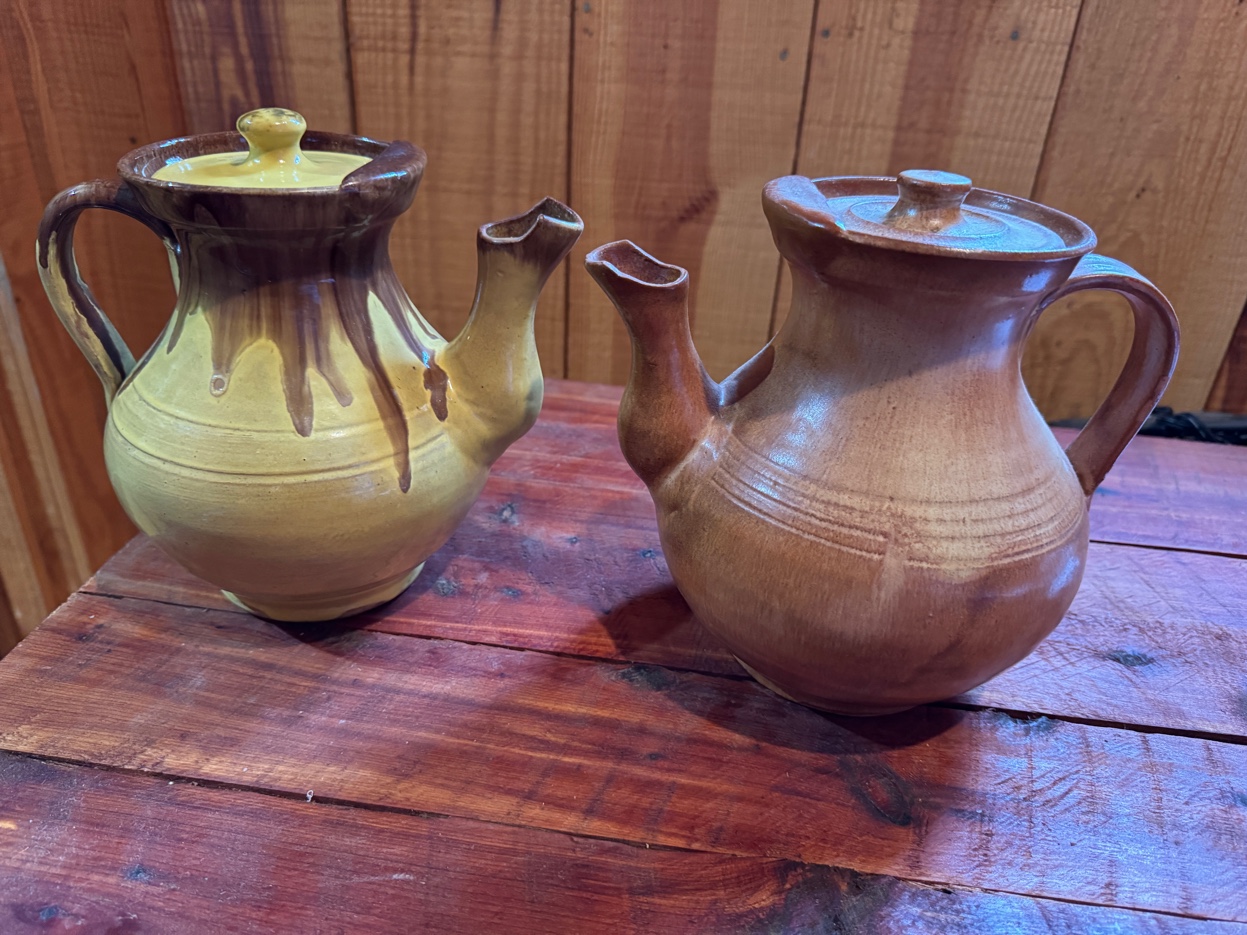
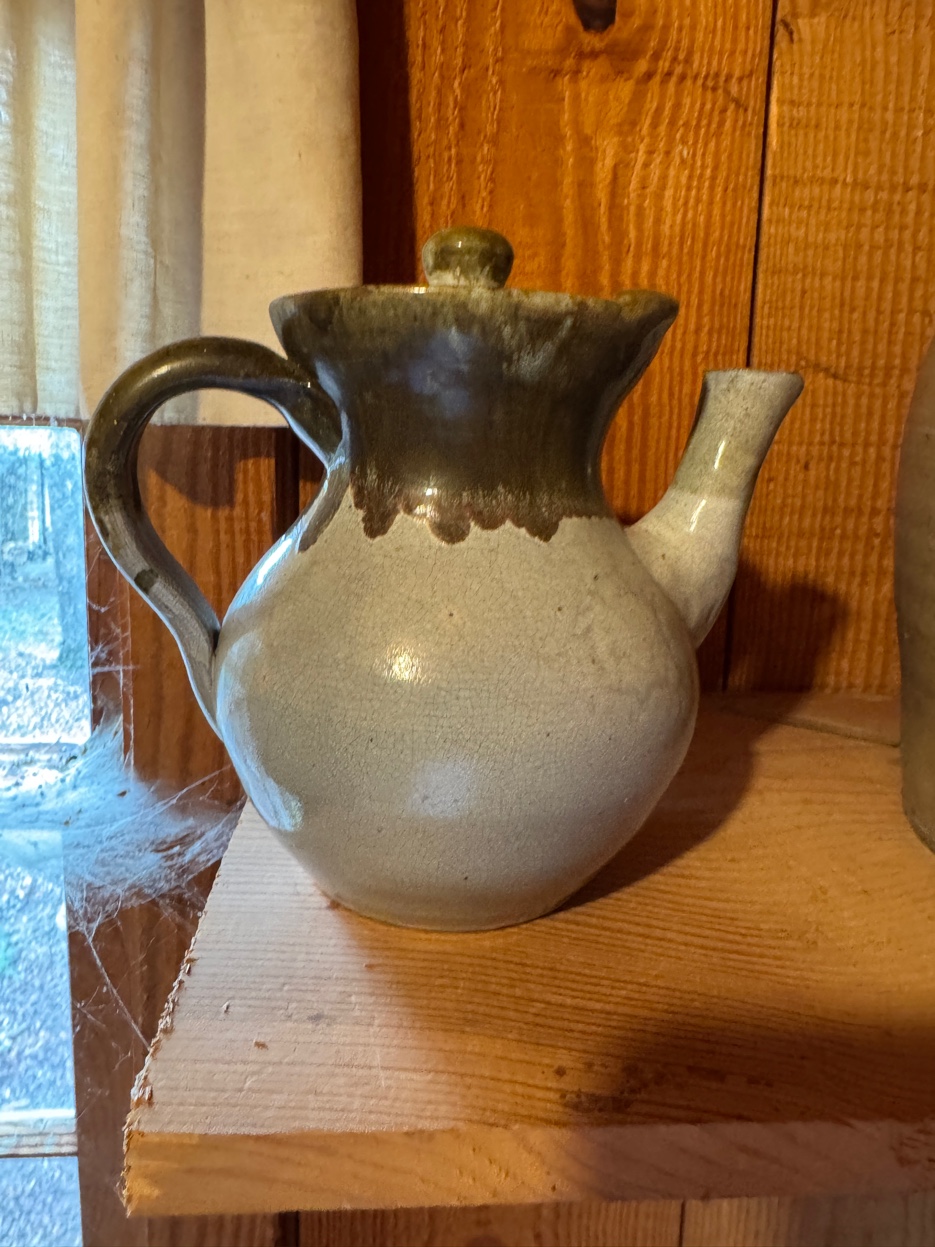
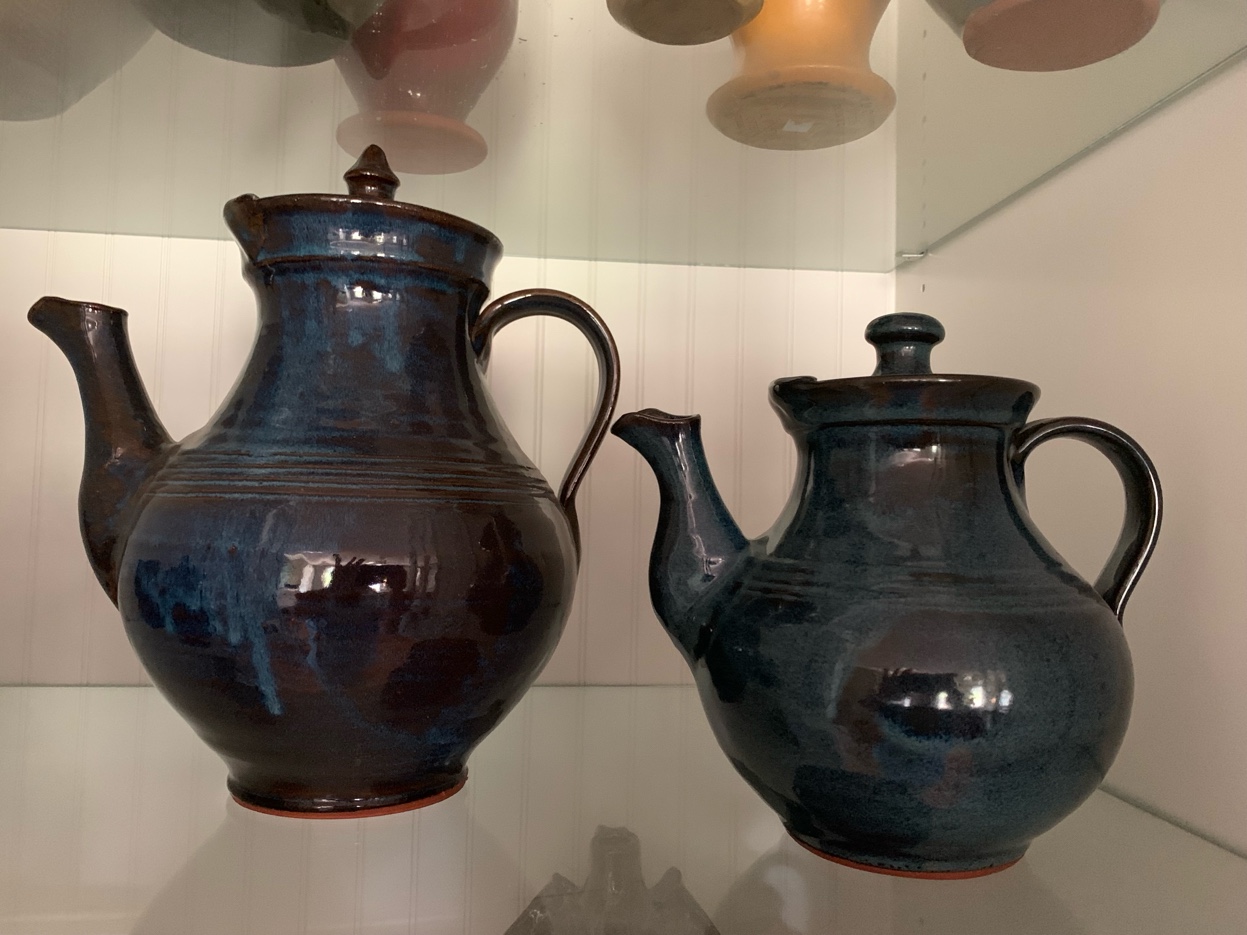
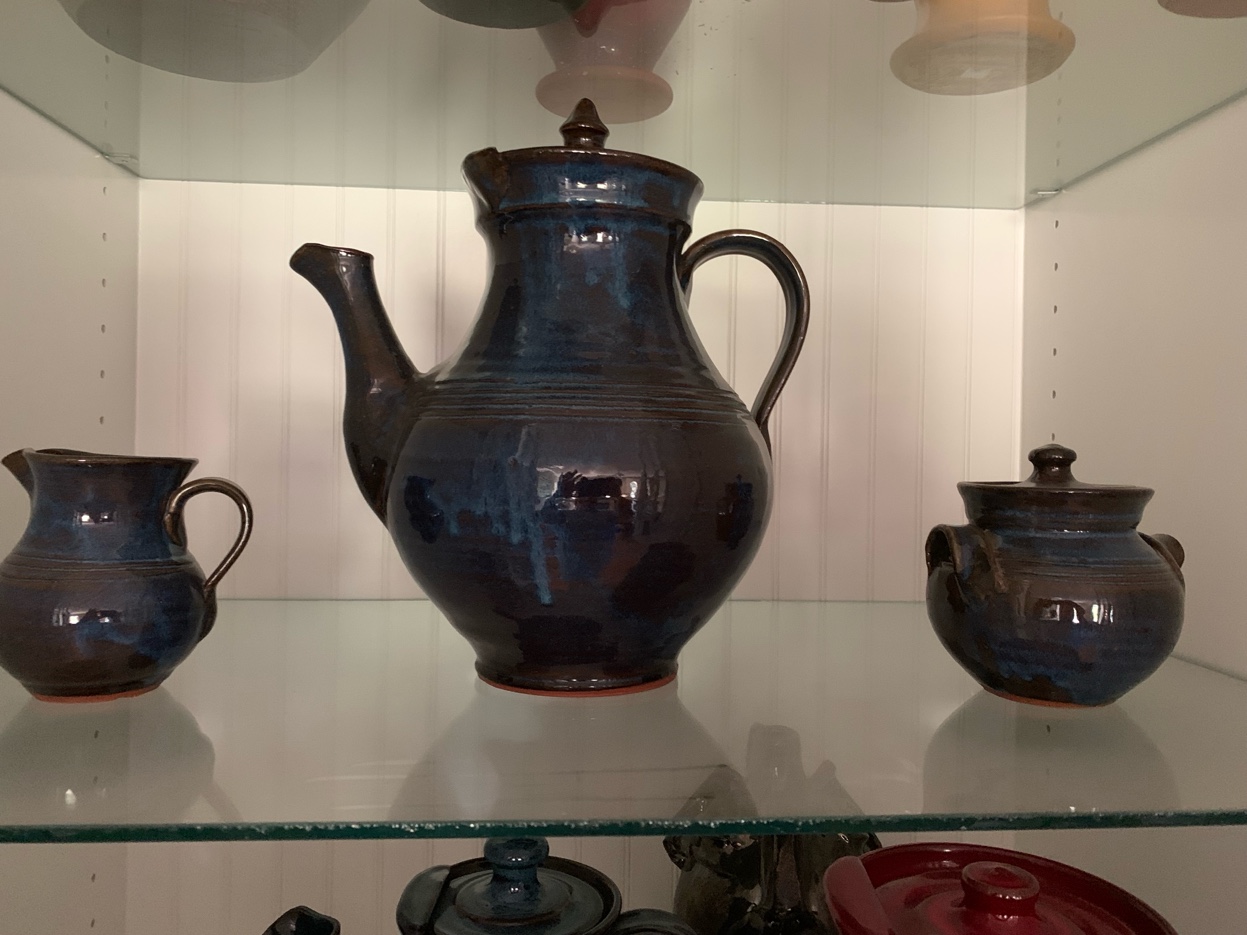
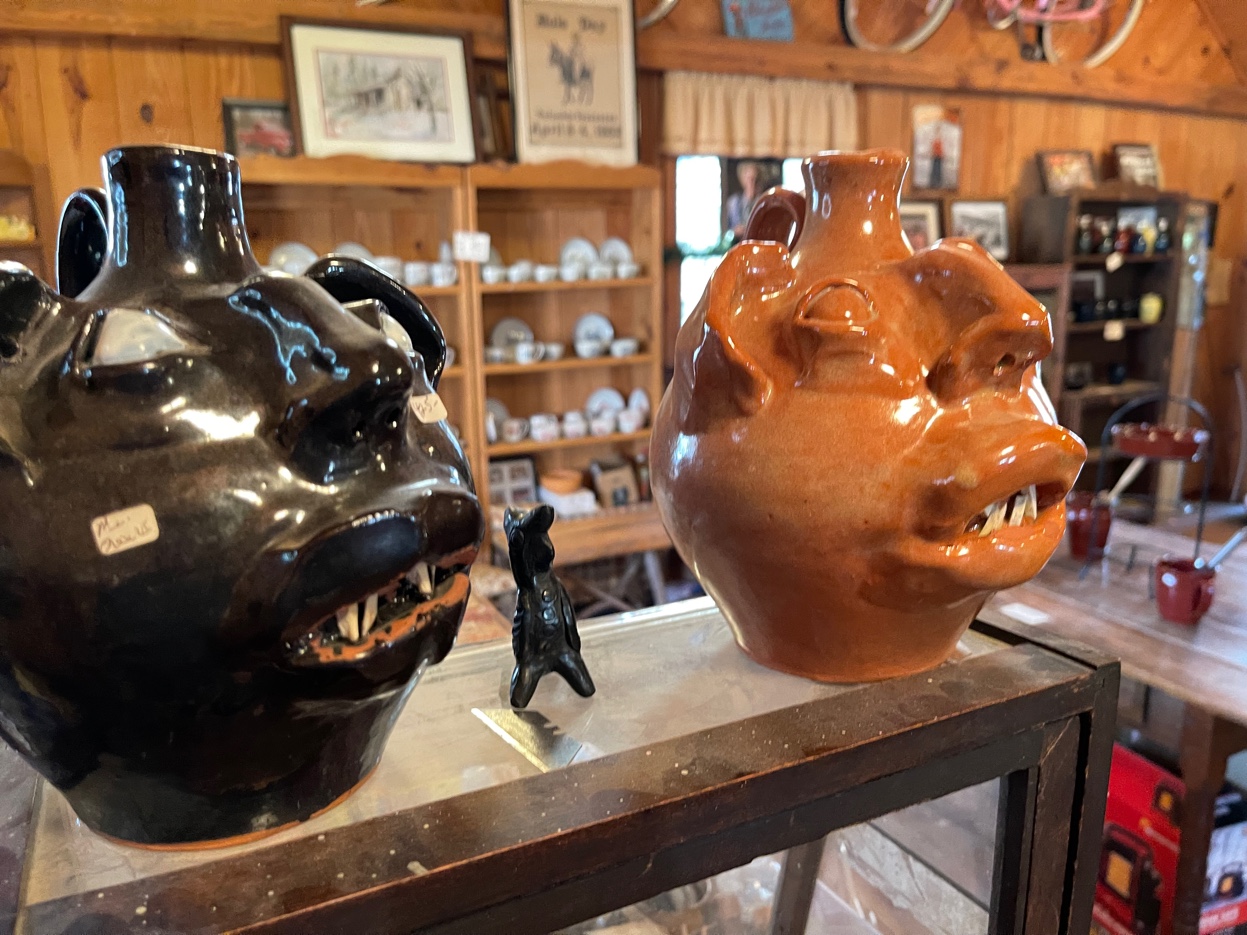
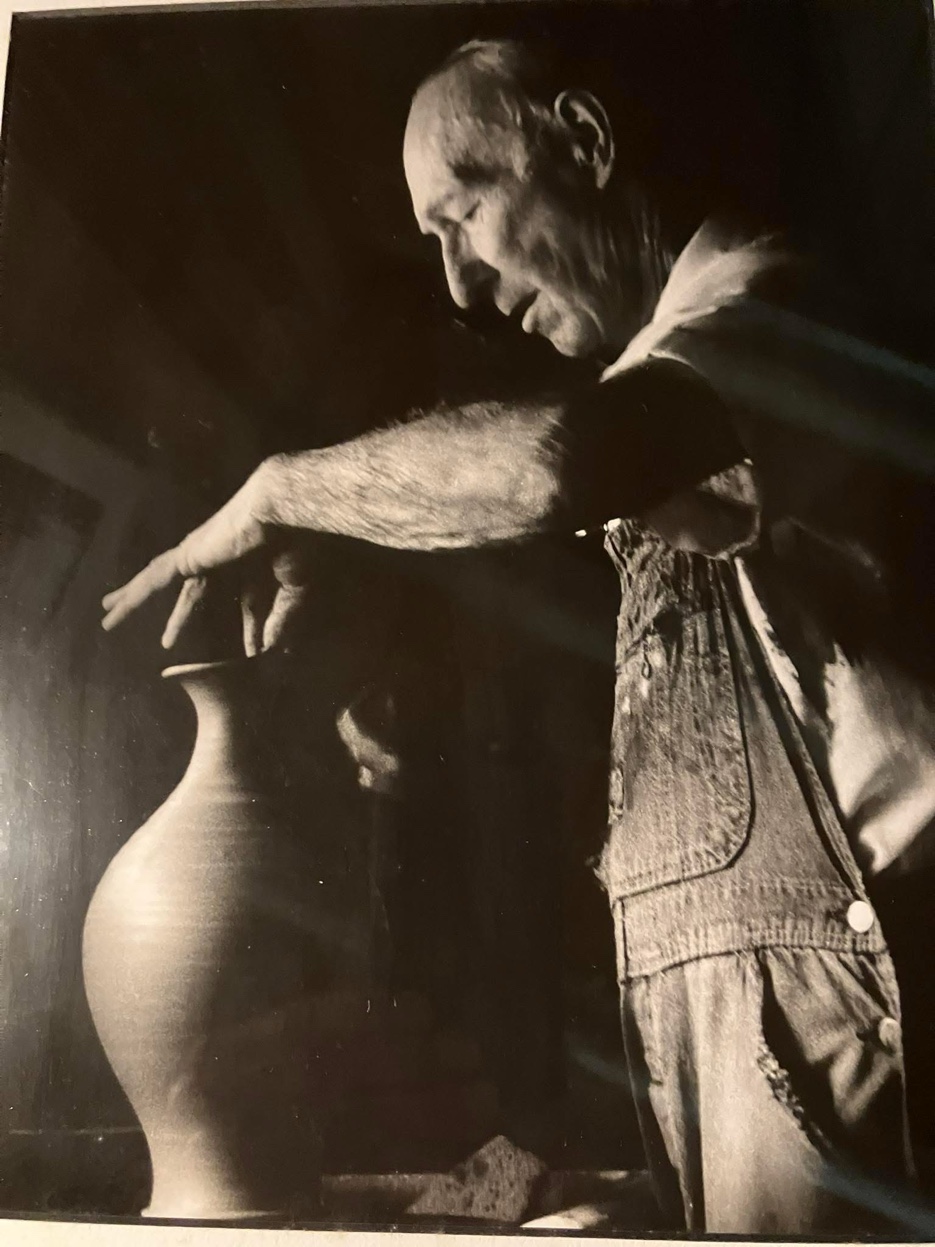
He worked relentlessly. His son Boyd remembers a cardinal rule growing up: "You couldn't sit down and work with him. It was a cardinal sin to sit down." M.L. believed pottery was something you stood for, bent over, pressed into — something that demanded your whole body. For decades he fired his kilns as many as three times a week, filling large-scale wholesale orders while developing the distinctive forms — slender teapots, hilarious face jugs — that would become his signature.
M.L. also spent a lifetime prospecting for clay, scouting secret sites across Randolph, Moore, and Lee counties and as far as South Carolina. His son Boyd still draws from those same clay caches today. He taught each of his eight children to throw clay. Six became potters. His son Vernon took over Jugtown. His son Boyd took over Original Owens in 1975. And his daughter Nancy Owens Brewer, who by Vernon's account had been throwing pots since before 1960, remained the principal potter at the family shop. A 1994 Chicago Tribune feature found M.L., at 77, still at his wheel — his experienced hands earnestly turning vases — while Nancy painted the finishing touches on blue-and-white dinnerware in the next workshop. "I guess people like the pottery we make because it's simple and beautiful at the same time," Nancy told the reporter. "We're also known for our teapots and pitchers. We make all of it here, and everything we make is by hand."
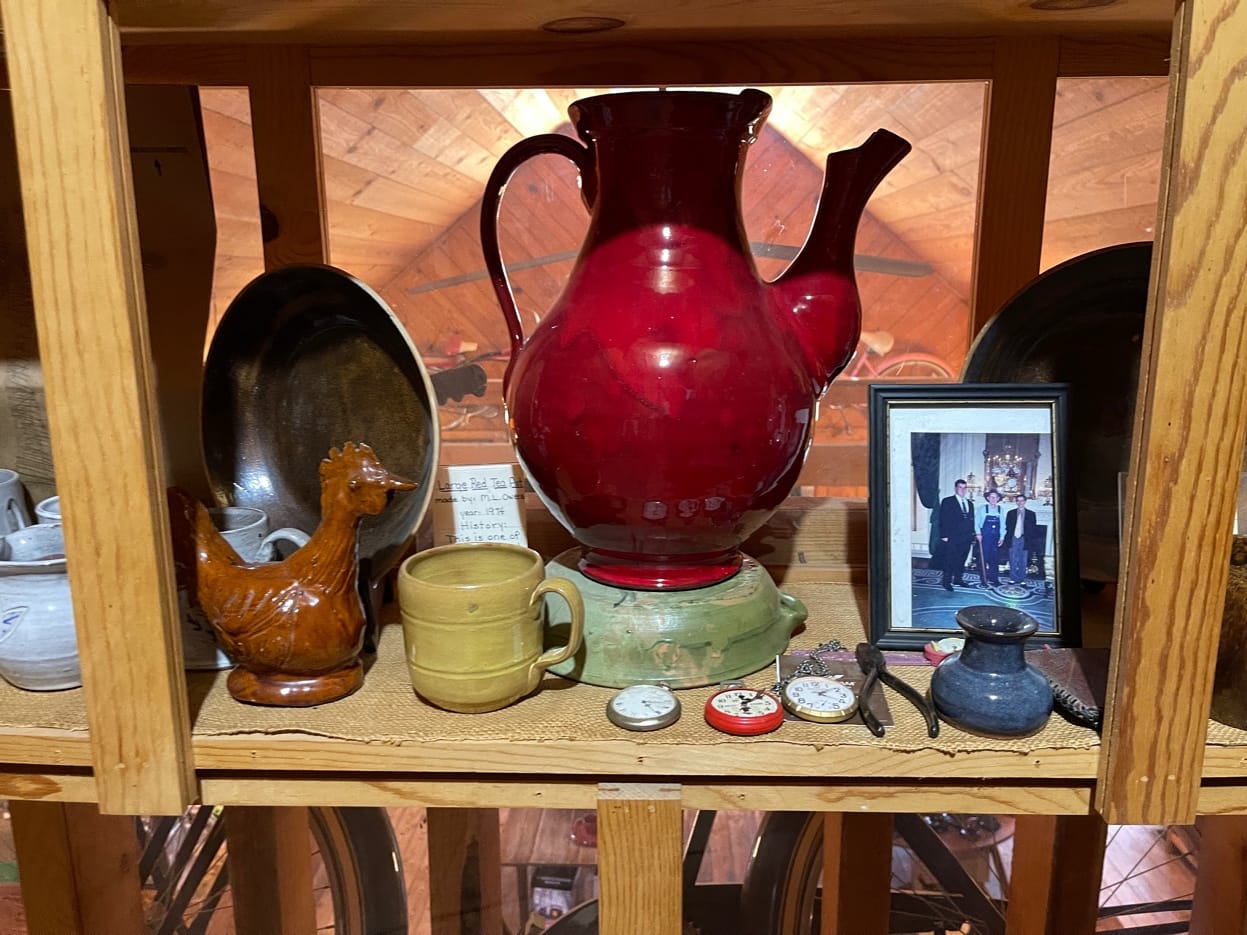
The showroom at the pottery — a one-room house with a second-floor loft — was always unstaffed. Boyd would tell visitors to give them "a holler" out back if they needed help. On the second floor, a small museum displayed examples of Owens family pottery through the years. Out front, a paint-chipped wooden porch swing swayed in the breeze as visitors on bicycles and in cars rolled up the drive. It was, as one journalist wrote, the kind of place that made you feel the doors were creaking open to the past.